With Track 5 we will put behind us the challenges we have heard about, facing those who seek to re-start operations of old mines and mills, and turn our attention to some more optimistic news of repair and restoration.
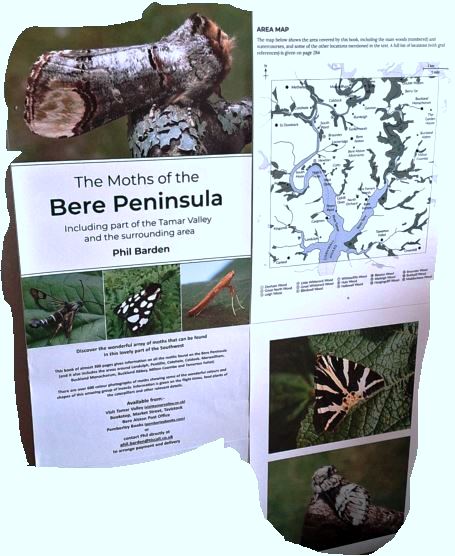
Taking the train from Plymouth at 10.28 we’ll come prepared with a picnic lunch and a checklist of rare species to hunt for, alighting at Bere Alston for a fascinating walk to Bere Ferrers. Here, surprisingly, the piles of barren mine waste left after centuries of lead, silver and later copper and arsenic mining provide excellent habitat for certain types of rare species, both plant types (studying Botany here) and animal (a little dip into Zoology).
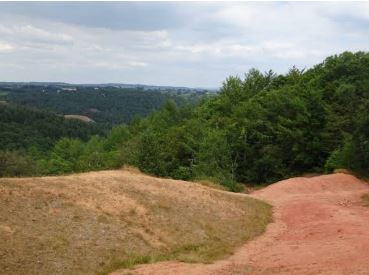
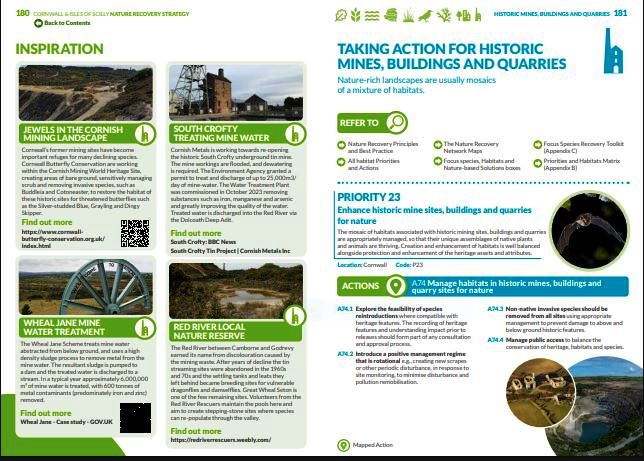
Apparently as temperatures creep well above 30 degrees C, on the bare earth we should find examples of rare insects, especially butterflies and dragonflies, plus basking reptiles – all described by the Wilderness Society as being ideally suited to making ancient mining hotspots their home. Within the information pack you will find extracts taken from the Local Nature Recovery Strategy reports of Cornwall (shown here) and West Devon.
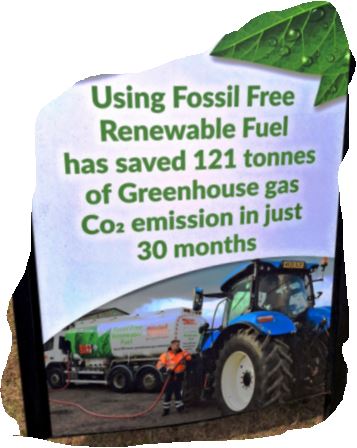
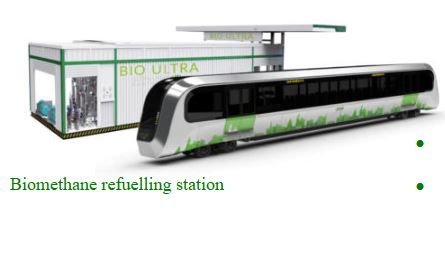
Arriving at the Tamar Belle Centre we will be greeted by the Station Master and shown around, with time for a picnic lunch. The afternoon session will begin at 2 pm. and for this we hope to co-ordinate a discussion of rail enthusiasts from all across the region, to consider the extent to which renewal of old rail services is desireable and viable (passenger and freight). At the same time we will also take the opportunity to highlight pioneering work with bio-fuels in Cornwall (HVO) and through a connection in Belgium (Bio-Ultra train). Surely this should be our future path?